Building Communication, Creativity, and Leadership through Music
Traverse City, Michigan
July 11- July 18, 2026
The Musical Innovation & Leadership Academy (MILA) is a 10-day national youth leadership and chamber music program held annually in Traverse City, Michigan. MILA equips young musicians with the creative, collaborative, and leadership skills necessary to thrive as artists and engaged citizens.
(MILA)Mission: To help student musicians realize their potential as artists, creators, and leaders.
2026 Registration Form
Need:
Communities today require adaptable, creative thinkers who can collaborate across differences, listen to diverse viewpoints, and solve complex problems. Yet most educational systems—including traditional music education—prioritize technical proficiency and performance over creativity, leadership, and collaboration.
Students rarely have opportunities to:
- Compose or arrange original music
- Lead rehearsals or facilitate artistic discussions
- Engage in sustained cross-cultural exchange
- Connect their artistic growth to community impact
Additionally, many young musicians have limited interaction with peers from different cultural and socioeconomic backgrounds.
MILA addresses these gaps by placing students at the center of the creative process and positioning chamber music as a vehicle for leadership development and community engagement
Curriculum
Why Chamber Music? Chamber music offers unique value both educationally and civically:
Collaboration Without a Conductor
Small ensembles require shared leadership, deep listening, negotiation, and accountability—skills that translate directly to civic and professional life.
Accessibility and Intimacy
Chamber music can be performed in schools, churches, community centers, and public spaces, making high-quality artistic experiences accessible and adaptable to community settings.
Cultural Reflection and Storytelling
Through original composition and arranging across genres—including classical, jazz, rock, pop, and funk—students create music that reflects diverse identities and lived experiences.
Emotional and Civic Resonance
Chamber music accompanies communities in celebration, reflection, and healing, offering a shared emotional language that strengthens connection and belonging.
MILA harnesses these qualities to cultivate not only strong musicians, but thoughtful leaders.
Collective Arranging/Composing Small Music Ensembles
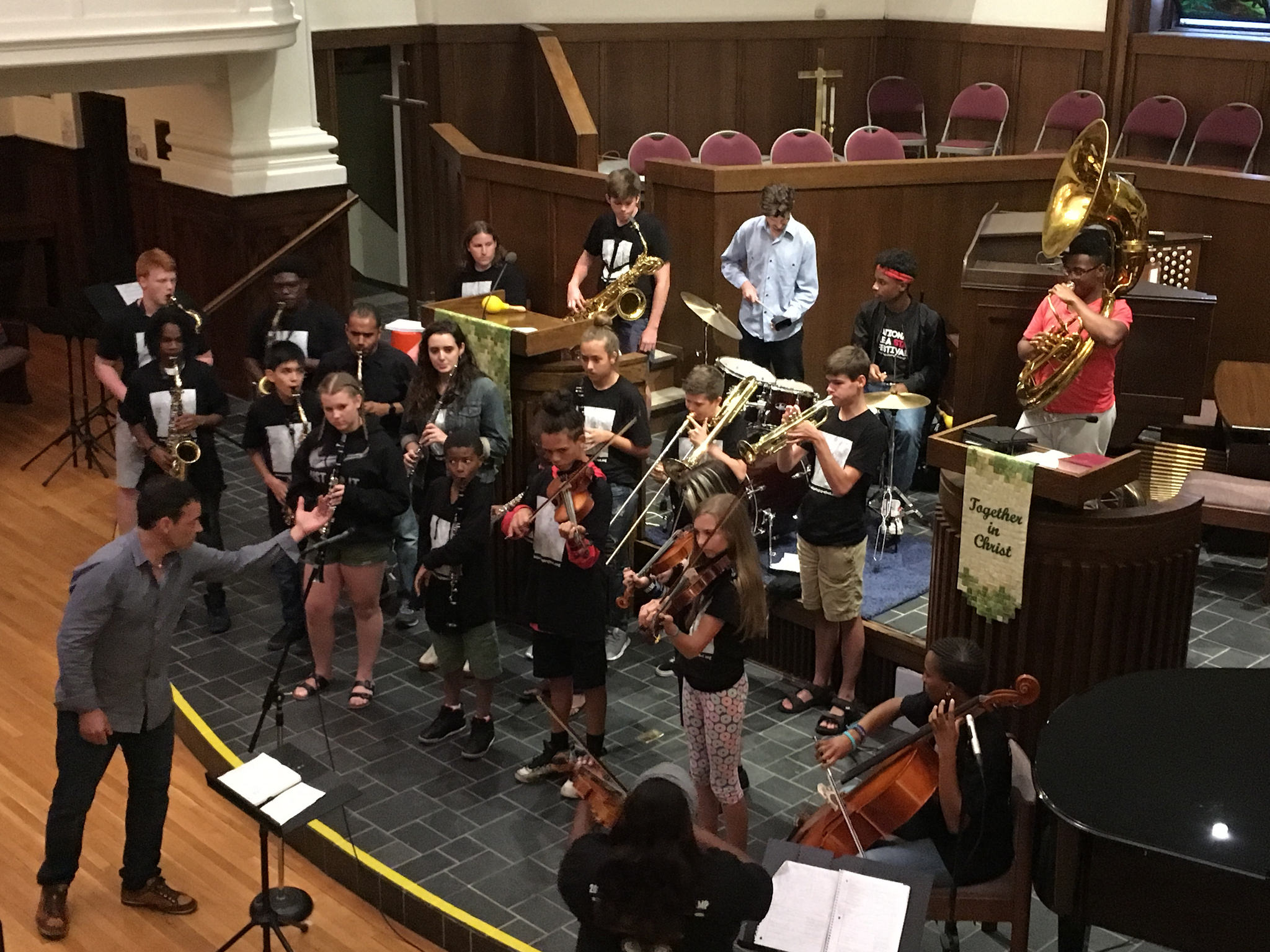
Working in small, conductor-less chamber groups, students collaboratively explore their stories, identities, and ideas through guided transcribing, arranging and composition techniques, transforming personal experience into shared artistic expression. This inclusive process demystifies music creation, making it accessible to every participant while building confidence, ownership, and the courage to take creative risks. They strengthen aural theory skills, engage in active listening and negotiation, and refine their interpretations through constructive peer feedback—developing both musical fluency and collaborative leadership.
Student-Led Rehearsals
Participants take ownership of rehearsals—from repertoire selection to musical interpretation—while faculty serve as mentors rather than conductors. Students practice shared leadership and constructive critique.
Students will engage in intensive rehearsals with areas of Focus:
- 360 Degree Consideration: The Who, What, When, Where, and Why of any performance
- Holistic considerations of a performance
- What makes a performance Artistic? (Why)
- Importance of Representation (personally, culturally, and regionally)
- Building the show as an artistic statement
- Principles of Audience Engagement (Who)
- What is an interactive performance
- Public Speaking
- The importance of Scripting
- The Execution of a performance (When and What)
- Site evaluation
- Planning with execution in mind
- Performance skills
- Physical presentation
- Speaking
- Reflection and Evaluation (of rehearsal and performance)
- Rehearsing with the performance in mind
- Respectful feedback
- Accepting critique
By the conclusion of the academy, students are able to:
- Compose, arrange, and orchestrate original works
- Lead rehearsals and facilitate group discussions
- Use DAW and music notation software to preserve their original works
- Demonstrate collaborative problem-solving skills
- Speak confidently in public performance and workshop settings
Long-term impact includes increased leadership capacity, stronger cross-cultural understanding, and a deeper sense of artistic ownership.
Community Engagement
Students become leaders in community workshops
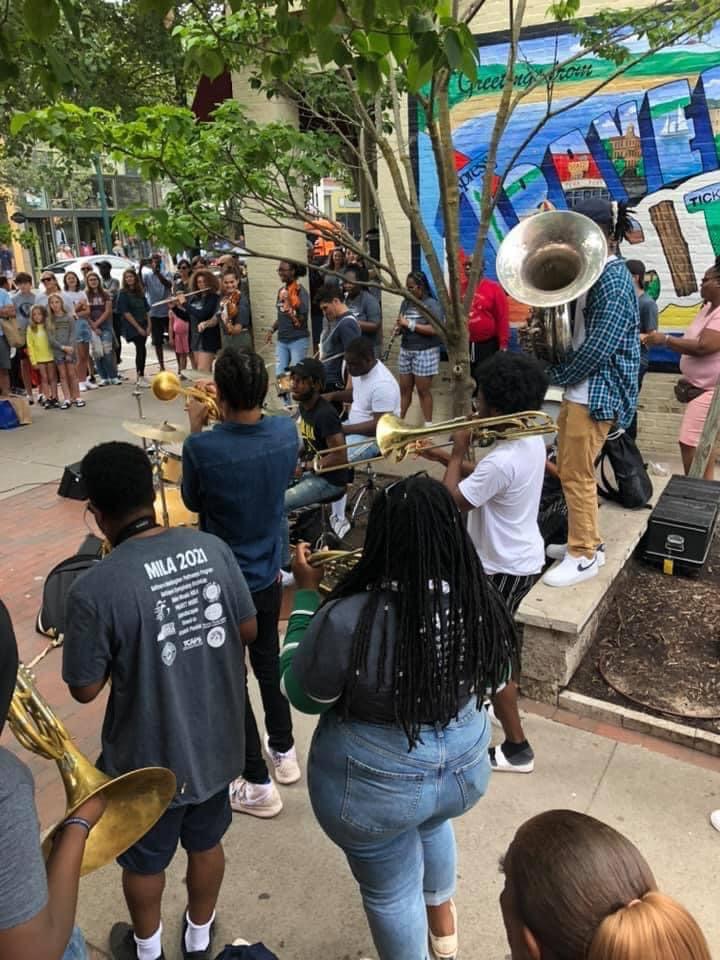
During the academy, students facilitate Collective Composition workshops for local youth, leading small groups in writing lyrics, melodies, and beats. This teaching component reinforces confidence, empathy, and civic responsibility.
Public Speaking
Faculty specializing in public speaking, writing, media and PR training will strengthen the student’s non-musical arsenal. Students will learn techniques in verbal and written communication, and will have the opportunity to engage these new skills through public speaking opportunities at numerous public performances.
Natural Wonder/Fun Activities
Connect the mind, instrument and body by experiencing Northern Michigan’s natural wonder hiking through national parks, swimming, Native American studies and canoeing.
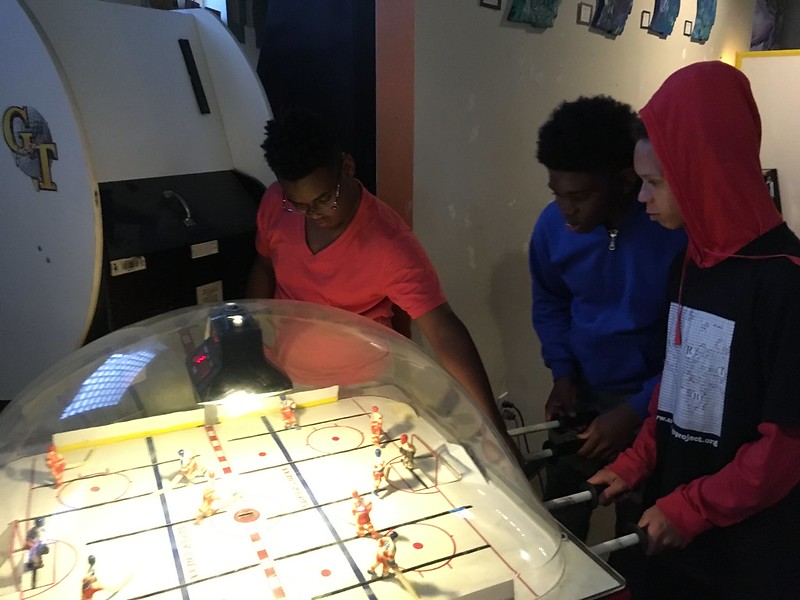
Archipelago is dedicated to providing bonding opportunities between the students through organized outdoor activites and good old free time. Students will have the opportunity to swim, bike, hike the Sleaping Bear Dunes, and play plenty of games.